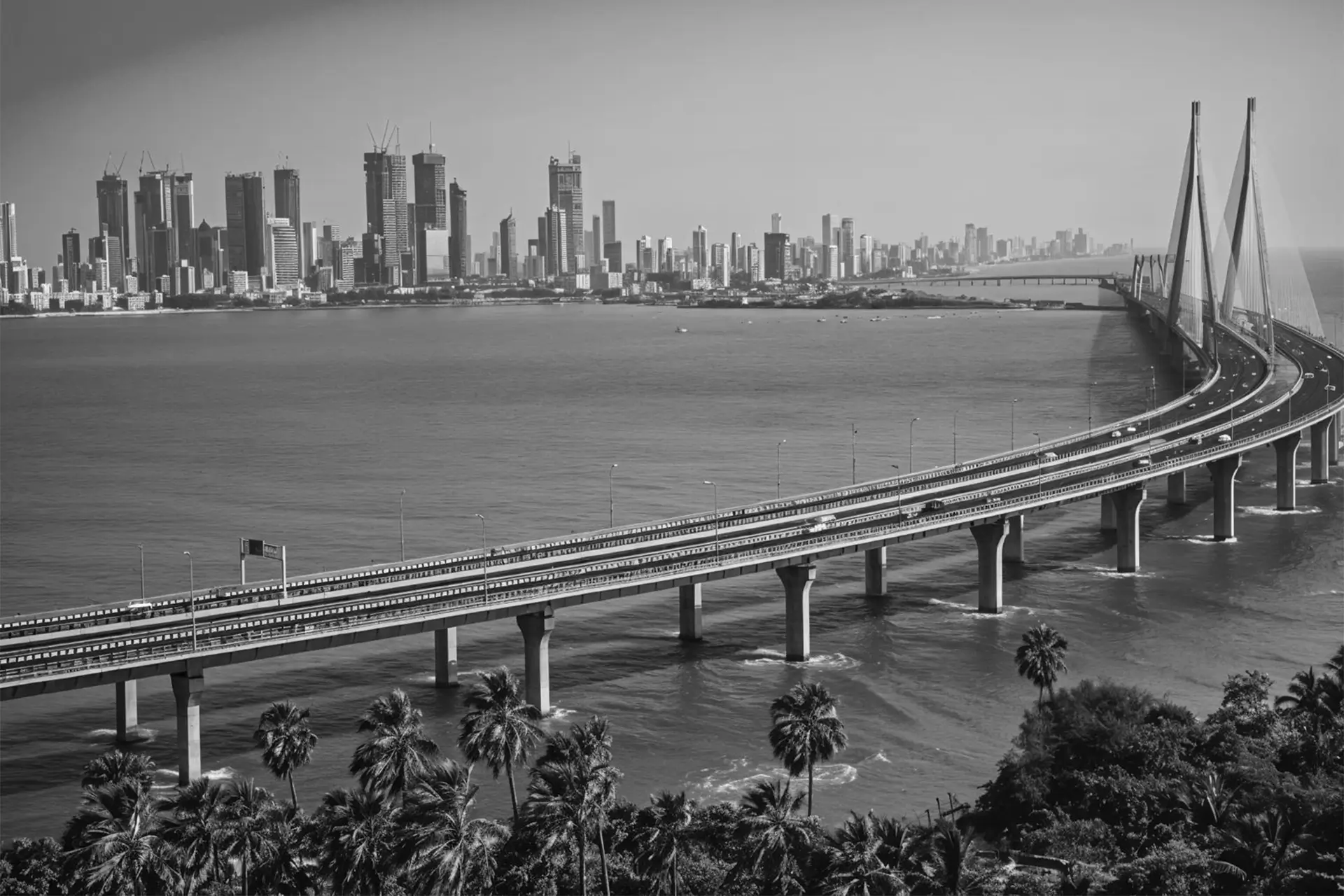
Form the backbone of Mumbai Climate Week’s agenda. Each is designed to unify agendas, advance next-generation action, and turn ideas into impact, offering frameworks that empower people, mobilize resources, and inspire change across the Global South and beyond.
Focus Areas
Inaugural edition centers around three interlinked themes – Food Systems, Urban Resilience, and Energy Transition. These themes reflect the unique challenges and opportunities faced by the Global South, where climate issues are deeply connected to development choices. Addressing food security, clean air, sustainable energy, and livable cities requires an integrated approach, not isolated solutions. By highlighting both the obstacles and innovations within these areas, Mumbai Climate Week serves as a collaborative platform to align priorities, accelerate innovation, and drive collective action toward a resilient, equitable, and climate-smart future.
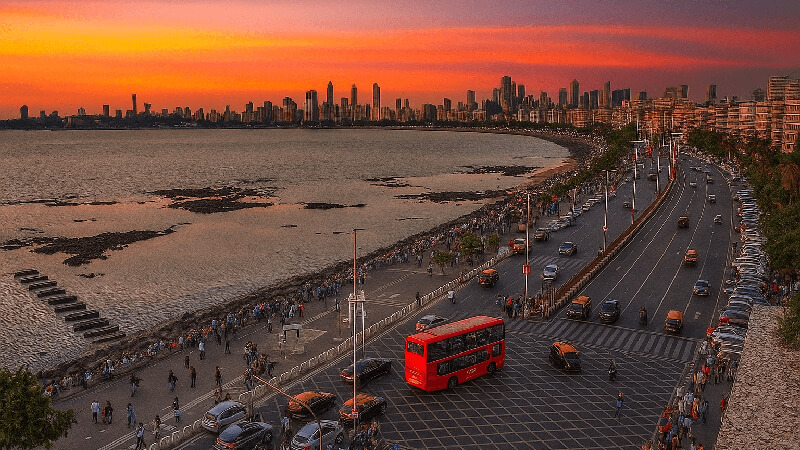
Together, these themes
Food Systems, Energy Transition and Urban Resilience,
Food Systems
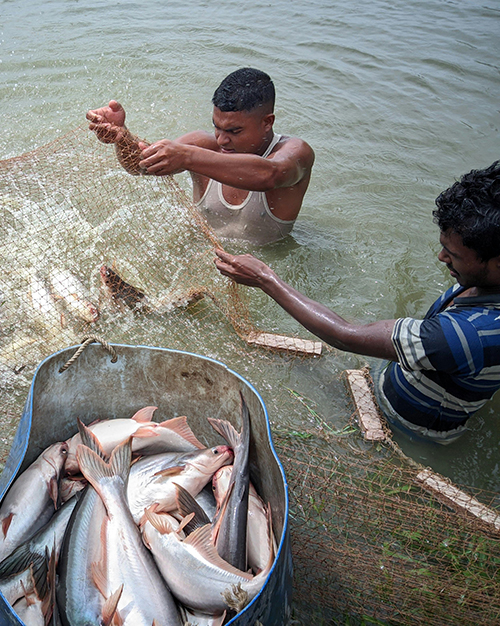
Fayaz Ahmed Sunny
Food systems are the foundation of human survival and in the Global South, they are on the frontline of climate disruption. Droughts, floods, soil degradation, and fragile supply chains are already destabilising rural economies and threatening food security, placing billions of lives and livelihoods at risk. But this is not just a story of vulnerability, it is also one of immense potential for transformation.
At Mumbai Climate Week, the Food systems track will spotlight scalable solutions that farmers, communities, governments, civil society, organisations, companies and markets are already implementing. These are not distant ideas, but practical strategies driving systems- level change, linking food, water, and energy to deliver co-benefits across sectors.
The focus will be on reimagining food systems so that production is no longer tied to pollution and climate risk, but instead aligned with equity, safety, livelihoods, and the health of the planet. The ambition is to make sustainable food systems a cornerstone of climate strategy in the Global South, ensuring that safe, nutritious, and sustainable food is not a privilege, but a shared guarantee for all.
Partners:

Energy Transition
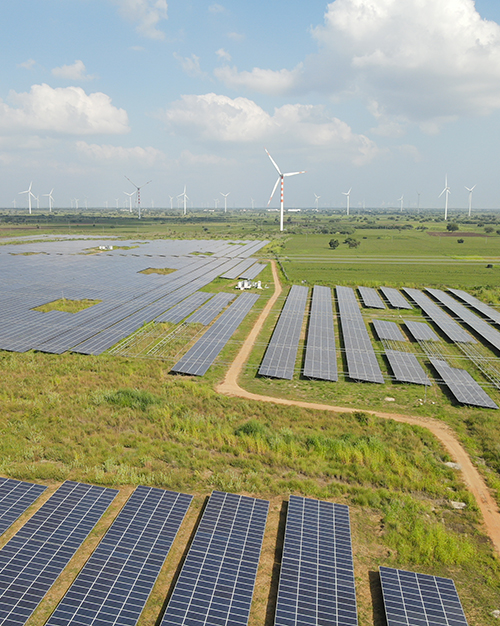
Radiance Renewable backed by Eversource Capital
Power, transport, and industry are among the largest contributors to climate change, and transforming these sectors is essential to building a sustainable future. A rapid energy transition is not only urgent – it is also an opportunity to reshape development pathways toward resilience, equity, and prosperity. For the Global South, including countries like India, Brazil, and Indonesia, this challenge comes with unique possibilities. With infrastructure still expanding and per capita emissions relatively low, these regions have a critical window to embed sustainability into the very foundation of their growth.
The Energy Transition theme at Mumbai Climate Week will highlight practical, scalable solutions grounded in the realities of the Global South. It shifts the narrative from the region as a passive recipient of investment to one of leadership in renewable energy adoption, climate-tech innovation, and inclusive development. The theme will showcase successful energy models, explore technologies ready for near-term scale-up, and examine emerging innovations that could redefine the sector. It also acknowledges the complexity of transitioning from conventional fuels, advocating for realistic, just, and forward-looking strategies.
Focus areas will include advancing green fuels and renewable energy sources, expanding electricity access to meet rising energy demand, enabling climate-tech entrepreneurship, and mobilising finance and policy instruments to scale energy solutions. The goal is to position the Global South not just as a participant, but as a driver of the global energy transition, shaping a future where decarbonization is inseparable from justice, prosperity, and resilience.
Partners:






Urban Resilience
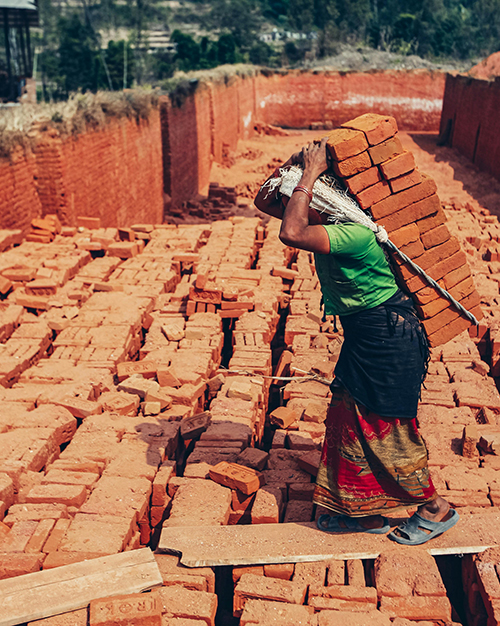
Mehmet Turgut Kirkgoz, Pexel
Cities are at the epicentre of climate risk, with extreme urban heat and rising air pollution posing urgent threats to public health, infrastructure, and equity. These impacts disproportionately affect vulnerable communities, deepening social and environmental divides. As urban populations grow and climate pressures intensify, the need for resilient, adaptive cities becomes more critical than ever.
The Urban Resilience theme at Mumbai Climate Week will explore integrated, science- based solutions to build healthier, climate-ready cities. It will aim to unify fragmented agendas, foster cross-sector collaboration, and accelerate next-generation strategies for heat and pollution resilience. From predictive planning to scalable innovations, the focus is on turning ideas into impact, co-creating a shared vision for urban resilience that is inclusive, proactive, and transformative.
Key pillars of this theme include nature-based and urban design solutions to reimagine city landscapes, technology and innovation to deploy smarter systems and materials and finance and deployment models to mobilise capital and partnerships. By advancing such integrated approaches and scaling innovation, Mumbai Climate Week looks to position urban resilience as a bedrock of India’s climate transformation and long-term urban well-being.
Partners:






FAQS
General Information
What is Mumbai Climate Week (MCW)?
Mumbai Climate Week (MCW), scheduled for February 17–19, 2026, marks India’s first platform dedicated to accelerating climate action, empowering Mumbai, India, and the Global South to develop transformative, citizen-driven climate action. This landmark initiative reimagines critical climate solutions as interconnected, scalable innovations rooted in the complex dynamics of the Global South region and its economies.
When will Mumbai Climate Week 2026 take place?
The core event of Mumbai Climate Week 2026 will be held from February 17 to 19, 2026. While peripheral events & gatherings will be held prior to and during the main event days.
Where is Mumbai Climate Week held?
Central hub for the Core event of Mumbai Climate Week is the Jio World Cultural Center in Mumbai, India. Peripheral events and gatherings will be independently organized across various venues across the city to ensure widespread accessibility and engagement before and during the main event.
Know More